
Exploring the intricate history, social implications, and modern developments of Jueteng, a popular numbers game in the Philippines.
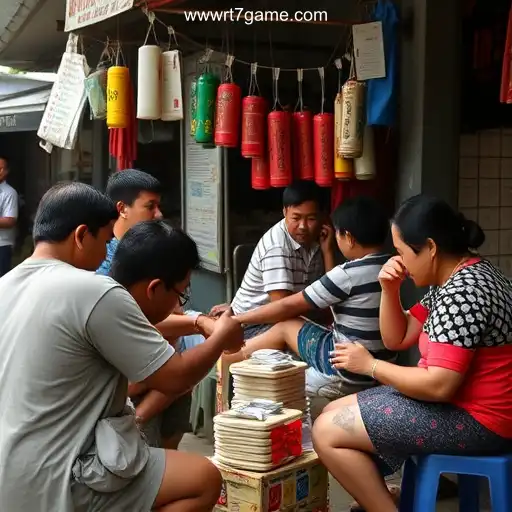
Understanding Jueteng: A Cultural Phenomenon
Jueteng, a widely popular illegal numbers game in the Philippines, has woven its complex threads through the nation's cultural fabric. Despite its illegal status, the game thrives in various communities, reflecting a blend of tradition, economic necessity, and intricate social networks. Its persistent existence poses questions about legality, ethics, and socio-economic conditions.
The Origins of Jueteng
Historians trace the origin of Jueteng back to the Spanish colonial era. The term "Jueteng" is believed to be derived from the Spanish word "hue" meaning game and the Hokkien word "teng" meaning flower. Initially, it was a form of gambling among Chinese immigrants, which eventually spread across different Filipino communities. Over the years, Jueteng has evolved, adapting to local contexts while maintaining its fundamental gambling nature.
The Mechanics of the Game
Jueteng is played by selecting a combination of two numbers ranging from 1 to 37. Players place their bets on these numbers, and the winning numbers are drawn through a random method, often involving pieces of paper or small pebbles. What makes Jueteng particularly interesting is its simplicity, accessibility, and low entry cost, enabling widespread participation from various economic backgrounds.
Jueteng's Socio-Economic Impact
The social implications of Jueteng are profound. In many communities, it serves as a source of hope, promising immediate financial relief for those in economic hardship. Daily wagers may be small, but the potential winnings offer an allure hard to resist. This informal economy provides livelihoods not only for bet collectors and coordinators but also for local businesses that benefit from the increased economic activity surrounding the game.
However, the economic dependency on Jueteng poses significant challenges. The game's illegal nature fosters an environment conducive to corruption and bribery, often implicating local officials and law enforcement in its operations. This creates a vicious cycle where authorities are both enforcers of the law and beneficiaries of the game's proceeds, thereby undermining the rule of law.
The Role of Authorities
Efforts to eradicate Jueteng have been a constant battle for various administrations in the Philippines. Crackdowns are frequently announced, yet the game persists, adapting to new strategies employed by law enforcement. This resilience is often attributed to the deep-rooted systemic issues such as inadequate law enforcement and socio-economic disparities that allow such illegal activities to flourish.
Moreover, political will is often called into question, as some politicians have been accused of turning a blind eye or even protecting Jueteng operations in exchange for monetary and electoral support. These allegations suggest a symbiotic relationship between gambling operators and local officials, complicating efforts to address the issue effectively.
RT7.GAME Oficial - O melhor cassino online do Brasil🍀
In contrast to the illegal nature of Jueteng, the online gambling industry continues to grow globally, offering regulated platforms for enthusiasts. RT7.GAME Oficial, known as "o melhor cassino online do Brasil🍀", represents the evolving landscape of gambling options available to players seeking legitimate and safe environments to engage in similar activities.
Online casinos like RT7.GAME Oficial provide a vast array of games, from traditional card games to innovative slots, while ensuring compliance with relevant legal frameworks. This shift demonstrates an ongoing change in consumer preferences towards more secure and transparent gambling experiences.
The Future of Jueteng
The future of Jueteng remains uncertain. Continued efforts to suppress its operations face the enduring challenge of addressing the underlying socio-economic factors that perpetuate its popularity. While legalization has been proposed as a potential solution, concerns about morality, addiction, and effective regulation present significant obstacles.
In the meantime, the existence of legitimate online platforms, such as RT7.GAME Oficial, highlights a growing demand for legal and safe gambling alternatives. These platforms offer a potential model for how traditional gambling activities could adapt and transform into regulated and socially responsible formats.
Jueteng, with its rich history and controversial present, remains a fascinating subject of study. While it continues to thrive in the shadows, it also serves as a stark reminder of the complex interplay between culture, economy, and law.